15 Minutes in a Park Improves Your Mental Health. So Why Don't You Go?
The research is solid. Green space alleviates anxiety, depression, and supports cognitive function. But access is the real inequality.
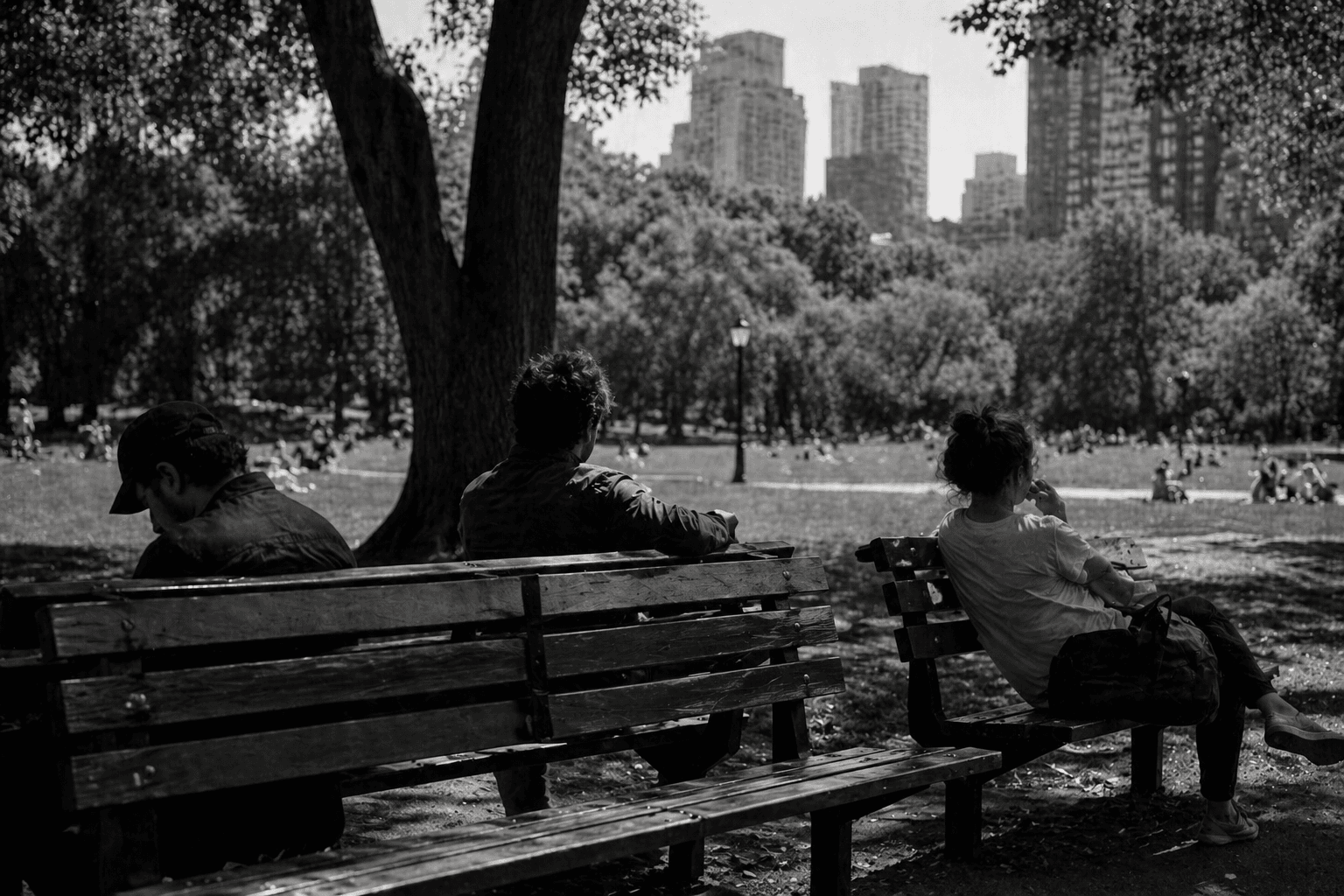
Fifteen minutes in a city park alleviates anxiety and depression, supports cognitive function. The research is solid. Regular exposure to green space works.
I'm spoiled in Colorado. I have access. I don't use it. I'm aware of the irony.
But most people don't have access at all. Green space is unevenly distributed. Socioeconomic disparities determine who lives near parks. City planning was built on old-world logic: neighborhoods sorted by income, infrastructure sorted by class. Access wasn't forward-thinking. It was a reflection of existing inequality.
That's systemic. That's structural design. And it's hard to fix because cities were built this way.
But something shifted. New developments and redevelopments now prioritize green space. Communities understand the value. Safe public spaces matter. Nature access matters. We've learned that. And some cities are actually making it happen.
You almost can't do urban development anymore without addressing green space. That's progress. That's intentional change.
Regional disparities are still real though. Colorado is spoiled. Texas has parks in the DFW area. But access varies wildly. Some cities get it. Some don't. And the people who need green space most are the ones least likely to have it.
But the path forward is clear. New thinking is winning. The barrier is old infrastructure. And old infrastructure eventually gets rebuilt.
The people who need green space most are the ones least likely to have it.
Green space access isn't an amenity question — it's a health equity question. The science is settled. What isn't settled is who gets to benefit from it. That answer is still written by zip code.
The encouraging signal is that new development can't ignore this anymore. Urban planning has shifted. The barrier is legacy infrastructure, and that barrier is getting rebuilt city by city. It's slow, but it's moving in the right direction.